How can we build systems that respects complex Identities?
An ethnographic UX case study exploring cultural identity, emotional friction, and inclusive service design at the India–Bhutan border
📍 Location: Chunabhatti village, India–Bhutan border
⏳ Duration: 3 months of immersive ethnographic fieldwork
🧑🏽🔬 Role: Lead UX Researcher & Ethnographer (solo)
🎯 Focus: Service exclusion, emotional friction, hybrid cultural identity
About the Project
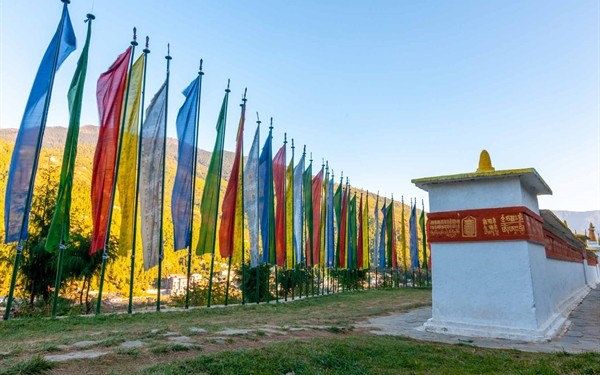
The Challange
How can public systems better serve people with layered identities like the Drukpa community, who are culturally Bhutanese but legally Indian and often excluded due to documentation mismatch, silence, and shame?
My Approach
Immersive ethnography in a remote forest-border village
Emotional journey mapping & persona development
Co-design with elders, women, and oral-tradition users
Systems & identity mapping across bureaucratic, spiritual, and kinship networks
Translation of lived insights into inclusive, trust-first design flows
Outcome
I translated field insights into five culturally grounded design interventions:
Visual onboarding kits for low-literacy users
Oral-feedback loops built on story and trust
Cultural calendar prompts aligned with rituals like Nwagi
Emotional journey maps to reflect identity-based friction
Localized trust anchors, monks, elders, forest guards, built into UX delivery
These tools were co-created with the community, validated in live sessions, and shared with NGOs and governance actors. They are now being piloted in 3 borderland villages as part of public service onboarding and inclusion efforts.Through this, five key insights emerged.
What I learned
Design doesn’t begin in tools it begins in trust, presence, and story.
The systems we build must see people not just as users, but as layered, emotional, culturally rooted humans.
Why it matters
Where others saw low uptake, I uncovered systemic mismatch and emotional friction.
This work showed I can lead solo research, design for cultural complexity, and turn deep insights into actionable, inclusive systems.