An ethnographic UX case study exploring cultural identity, emotional friction, and inclusive service design at the India–Bhutan border
📍 Location: Chunabhatti Village, India–Bhutan Border
🕰️ Duration: 3 months
👤 Role: Lead UX Researcher & Ethnographer (solo)
🎯 Focus : Service exclusion, emotional friction, hybrid cultural identity
📍 Location: Chunabhatti Village, India–Bhutan Border
🕰️ Duration: 3 months
👤 Role: Lead UX Researcher & Ethnographer (solo)
🎯 Focus : Service exclusion, emotional friction, hybrid cultural identity
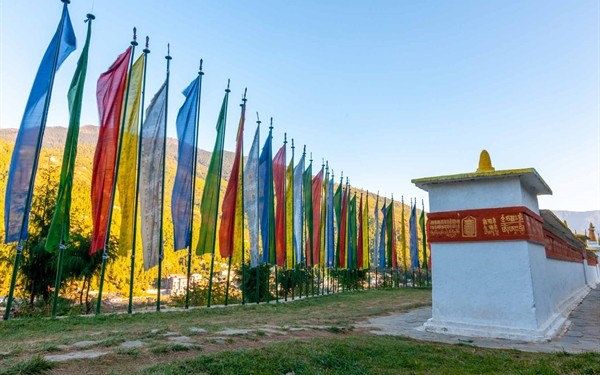
How can systems respect cultural complexity?
This question drove my ethnographic UX study with the Drukpa community in Chunabhatti, a village at the India–Bhutan border. Here, identity is layered and fluid: people speak Dzongkha, pray in Bhutanese temples, and uphold ancestral customs, yet hold Indian citizenship and navigate Indian institutions. This dual belonging is deeply human but often invisible to the systems meant to serve them.
Context and Challenge
Borderland communities like the Drukpas live in a constant negotiation between cultural identity and bureaucratic reality. Government forms assume one official language; benefits require documents villagers don’t have; services are designed for majority populations, not for those whose life straddles a border.
The result? Emotional friction, exclusion from essential services, and erosion of cultural trust.
Research Approach
I spent three months in Chunabhatti conducting:
Immersive ethnography: Living alongside families, participating in daily life, and observing cultural rituals.
Interviews & shadowing: Capturing lived experiences across age, gender, and occupation.
Emotional journey mapping: Tracing how interactions with institutions trigger stress, pride, or disengagement.
Participatory co-design workshops: Inviting community members to ideate solutions rooted in their own priorities.
Listening Between the Lines
The research uncovered six systemic barriers that repeatedly disrupted access to services and recognition:
Documentation gaps – Missing or mismatched IDs due to borderland history.
Language exclusion – Official forms and communication rarely available in Dzongkha.
Trust deficit – Long histories of neglect reduce willingness to engage with authorities.
Cultural mismatch – Services ignore traditional rhythms, festivals, and migration cycles.
Geographic inaccessibility – Remote terrain makes physical access to offices costly.
Policy blind spots – No frameworks for hybrid or multi-layered identities.
Design Outcome
Together with the community, we developed five actionable interventions that balance cultural preservation with system accessibility.
Examples include:
Bilingual service touchpoints to bridge language gaps.
Season-aware service calendars aligned with migration and festival cycles.
Community identity liaisons to help residents navigate bureaucracy without losing cultural context.
These concepts were validated locally and handed over to NGOs for pilot testing, ensuring they move beyond research into implementation.
Why It Matters for Design
This project shows how human-centered design can thrive in politically sensitive, culturally complex environments. It demonstrates that inclusive systems are not just about translating interfaces, they’re about honoring identity while reducing friction.
This study show the evidence of my ability to:
Conduct deep field research in challenging contexts.
Translate ethnographic insight into actionable, testable solutions.
Collaborate with marginalized users as equal partners in design.
How can systems respect cultural complexity?
This question drove my ethnographic UX study with the Drukpa community in Chunabhatti, a village at the India–Bhutan border. Here, identity is layered and fluid: people speak Dzongkha, pray in Bhutanese temples, and uphold ancestral customs, yet hold Indian citizenship and navigate Indian institutions. This dual belonging is deeply human but often invisible to the systems meant to serve them.
Context and Challenge
Borderland communities like the Drukpas live in a constant negotiation between cultural identity and bureaucratic reality. Government forms assume one official language; benefits require documents villagers don’t have; services are designed for majority populations, not for those whose life straddles a border.
The result? Emotional friction, exclusion from essential services, and erosion of cultural trust.
Research Approach
I spent three months in Chunabhatti conducting:
Immersive ethnography: Living alongside families, participating in daily life, and observing cultural rituals.
Interviews & shadowing: Capturing lived experiences across age, gender, and occupation.
Emotional journey mapping: Tracing how interactions with institutions trigger stress, pride, or disengagement.
Participatory co-design workshops: Inviting community members to ideate solutions rooted in their own priorities.
Listening Between the Lines
The research uncovered six systemic barriers that repeatedly disrupted access to services and recognition:
Documentation gaps – Missing or mismatched IDs due to borderland history.
Language exclusion – Official forms and communication rarely available in Dzongkha.
Trust deficit – Long histories of neglect reduce willingness to engage with authorities.
Cultural mismatch – Services ignore traditional rhythms, festivals, and migration cycles.
Geographic inaccessibility – Remote terrain makes physical access to offices costly.
Policy blind spots – No frameworks for hybrid or multi-layered identities.
Design Outcome
Together with the community, we developed five actionable interventions that balance cultural preservation with system accessibility.
Examples include:
Bilingual service touchpoints to bridge language gaps.
Season-aware service calendars aligned with migration and festival cycles.
Community identity liaisons to help residents navigate bureaucracy without losing cultural context.
These concepts were validated locally and handed over to NGOs for pilot testing, ensuring they move beyond research into implementation.
Why It Matters for Design
This project shows how human-centered design can thrive in politically sensitive, culturally complex environments. It demonstrates that inclusive systems are not just about translating interfaces, they’re about honoring identity while reducing friction.
This study show the evidence of my ability to:
Conduct deep field research in challenging contexts.
Translate ethnographic insight into actionable, testable solutions.
Collaborate with marginalized users as equal partners in design.
How can we build systems that respects complex identities
How can we build systems that respects complex Identities?